Board-Certified Behavior Analysts in Sharjah: Expert ABA Support for Your Child
You've tried the sticker charts. You've tried time-outs, calm voices, and firm voices and ignoring it. You've read the articles and watched the videos. And still, the hitting, the screaming at bedtime, or the meltdown every time you leave the park keeps happening. At some point, most parents reach the same thought: I need someone who actually understands why this behavior is happening.
That's exactly what a Board Certified Behavior Analyst (BCBA) does.
A BCBA is a professional certified by the Behavior Analyst Certification Board (BACB) in the USA to assess behavior and design support plans using Applied Behavior Analysis (ABA). Instead of guessing, a BCBA looks at what triggers a behavior, what your child gets from it, and what skill they need to learn instead. Then they build a plan around your child and show you how to use it.
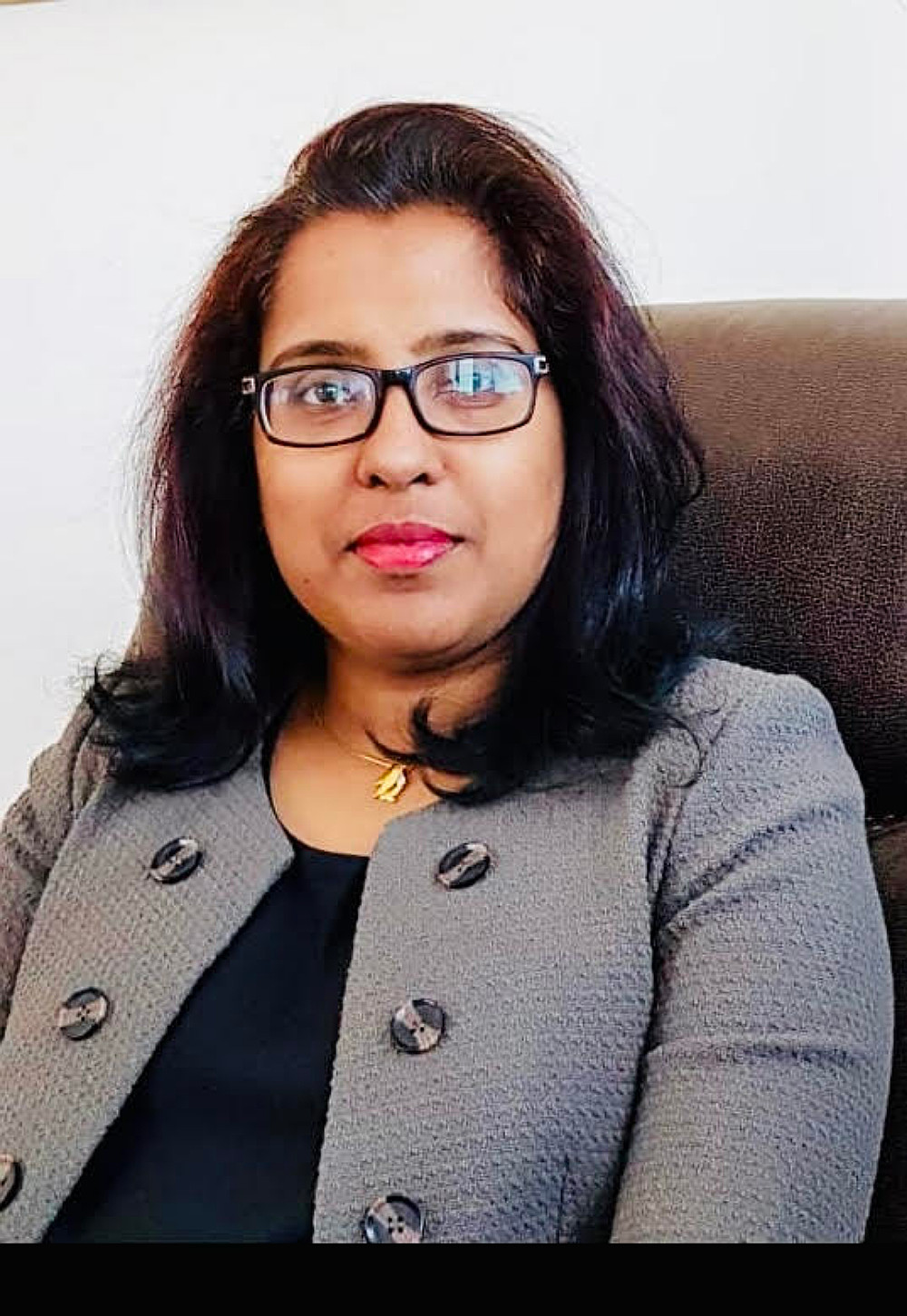
With more than 20 years of real-world experience, Asha Susan Mani is one of the few board-certified behavior analysts in Sharjah. She has been practicing in the UAE since 2004 and was one of the first BCBAs in the country. Her practice is in Karama, Dubai, a straightforward drive from Al Nahda, Al Qasimia and Al Majaz, with online parent sessions across the UAE.
What a BCBA does: Assesses why a behavior happens, builds an individual plan using ABA, and coaches parents to use it at home
Who it's for: Children aged 14 months to 12 years with autism, developmental delays, ADHD, speech delay or behavior challenges
What you get: A clear explanation of your child's behavior, measurable goals, strategies that fit your child, and regular progress reviews
How long: Starts with a consultation and assessment; ongoing support is agreed after that [confirm typical format with clinic]
How it works: Applied Behavior Analysis, behavior assessment, skill-building, and parent coaching
Where: Karama, Dubai, plus online sessions across the UAE
Hours: Saturday to Thursday, 9 AM to 7 PM, with after-school slots
Good to know: BCBAs don't diagnose autism or ADHD. Asha will tell you if a formal assessment is needed
Who Should See a Board-Certified Behavior Analyst?
You don't need a diagnosis to work with a BCBA, and you don't need to have "tried everything" first. If your child's behavior or development is making daily life hard, that's reason enough. A BCBA can help if your child:
Has autism, or you think they might
Is behind on milestones or has a developmental delay
Hits, bites, throws things or has meltdowns that are hard to manage
Struggles to tell you what they want or need
Finds it hard to play with other kids or join in
Has trouble with everyday skills like eating, sleeping, dressing or toilet training
Doesn't follow instructions or fights every routine, from bath time to bedtime
Is having a hard time at nursery or school, and the teacher keeps calling
Repeats the same actions or gets very upset by small changes
It's also for parents who want clear guidance on handling behavior at home, Sharjah families looking for ABA-based support from a qualified professional, and anyone who wants a second opinion or a plan that actually fits their child.
What Can a BCBA Help With?
Challenging Behavior
Hitting a sibling, throwing food, running off in the mall. These behaviors are exhausting and sometimes scary. A BCBA's first question isn't "how do we stop it?" but "what is it doing for your child?" Once you know that, you can teach a better way to get the same need met. Learn more about ABA for challenging behaviors.
Communication Problems
A lot of difficult behavior comes from a child not being able to say what they want. When a child learns to ask for a break, a drink or help, many meltdowns fade on their own.
Not Following Instructions
If every "put your shoes on" turns into a battle, your mornings are hard and so is nursery. A BCBA breaks instructions into small steps and makes following them worth your child's while.
Social and Play Skills
Some kids want to join in but don't know how. Others prefer to play alone. A BCBA teaches skills like taking turns, sharing attention and joining a game, one small piece at a time.
Repetitive Behaviors
Lining up toys and spinning or repeating phrases can help a child feel calm. The goal isn't to take that away but to make sure it doesn't crowd out learning and play.
Big Emotions and Meltdowns
Some children go from fine to furious in seconds. A BCBA helps you spot the early signs and teaches your child small ways to cope before things boil over.
Changes and Transitions
Leaving the park, switching off the iPad, a different route to school. If transitions are a daily struggle, simple tools like warnings, visual schedules and first-then language can help a lot.
Everyday Skills
Eating, sleeping, toileting and dressing all shape your family's day. A BCBA breaks these into small, teachable steps you can practice at home.
Problems at Nursery or School
When the teacher keeps calling, it's stressful for everyone. A BCBA can look at what's happening in class and share strategies with the school so your child gets the same support everywhere.
Not Knowing How to Respond
Should you ignore it? Step in? Give in to keep the peace? Most parents aren't sure, and that's normal. A BCBA gives you a clear, consistent way to respond.
No Real Plan
Without a plan, you're left guessing. A BCBA gives you specific goals and a way to track whether things are getting better.
How Working with a BCBA Works, Step by Step
The steps from the initial call to continuous support are as follows. We take our time and make sure you're involved at every step.
Step 1: We Talk with You
We start with your story. What's happening, when it started, what you've tried, and what a typical day looks like. We also ask about your child's development, health, nursery or school, and what they love. Their favorite things often become part of the plan.
Step 2: We Read Any Reports
If your child has reports from a pediatrician, speech therapist, nursery or past assessment, Asha goes through them so nothing is missed and nothing is repeated.
Step 3: We Watch and Assess
Asha spends time with your child, watching how they play, communicate, follow requests and react when things don't go their way. If a behavior mostly happens at home, short phone videos are really helpful.
Step 4: We Work Out Why the Behavior Happens
This is what sets a BCBA apart. Asha considers the immediate context, the action itself, and the immediate aftermath of any given behavior. Is your child trying to get attention? Escape a task? Get a toy? Cope with noise? This is often called a behavioral assessment, and it's the key to choosing the right strategy.
Step 5: We Write a Plan for Your Child
Asha creates a clear plan with small, measurable goals. For example, asking for a break instead of throwing things, or getting dressed with one reminder instead of five. You go through it together and agree before anything starts.
Step 6: We Start Building Skills
Using ABA, skills are broken into small steps and each success is rewarded with something your child enjoys. For young children, it often looks like play. For older ones, it might look more like games, routines and clear choices.
Step 7: You Learn the Strategies Too
You spend far more time with your child than any therapist, so this step matters most. Asha shows you exactly what to say and do in tricky moments, so your child gets the same message at home as in sessions.
Step 8: We Track Progress and Adjust
Every goal is tracked. When your child masters something, a new goal takes its place. If something isn't working, the plan changes. You'll always know where things stand.
The biggest change many parents notice first isn't in their child. It's in themselves. Once you understand why a behavior happens, it stops feeling random, and you stop feeling helpless. Here's what BCBA support gives you:
A clear explanation of why your child behaves the way they do
Goals that are specific to your child and easy to measure
Strategies backed by research, not guesswork
Goals for communication and everyday skills, not just behavior
A plan to reduce behaviors that affect safety, learning or family life
Coaching for you, with simple things to do at home
Advice you can share with the nursery or school
Regular progress checks
A plan that changes as your child does
Every child moves at their own pace. The goal is to make real, steady progress in the areas that are most important to your family.
Why It Helps to Start Behavior Support Early
Behaviors that start small in toddlerhood can become harder to change as children grow bigger, stronger and more set in their habits. Starting early means your child learns better ways to communicate and cope while those skills are still forming.
According to the Centers for Disease Control and Prevention, early intervention can help young children with autism build important skills, and support is encouraged as early as possible. NHS guidance also suggests that parents who notice possible signs of autism speak to a professional rather than wait.
There's a practical side too. When behavior gets in the way of learning, playing or joining in at nursery, children miss out on chances to grow. The sooner those barriers come down, the more your child can take part. And the sooner you have a plan, the less time you spend on trial and error. If your child is very young and you're still unsure what you're seeing, our early signs of autism guide is a helpful place to start.
Why Families Choose Asha Susan Mani
Asha started working with children in the UAE in 2004 and later became one of the country's first Board Certified Behavior Analysts. Over two decades, she has run ABA programs in Ras Al Khaimah, Dubai, Sharjah and other emirates, trained therapists and school staff, and supported more than 7,000 children. Over 2,000 of them have moved into mainstream schools.
Advanced training in Behavior Analysis, Florida Tech University
20+ years working with autism, ADHD, speech delay and developmental delays
7,000+ children supported, aged 14 months to 12 years
What She Specializes In
Applied Behavior Analysis (ABA)
Behavior assessment and support plans
Autism and developmental concerns
Communication and social skills
Challenging behavior
Parent coaching
Everyday and self-care skills
School readiness and school support
Her Experience in the UAE
Has led ABA programs across Dubai, Sharjah and other emirates
Has trained therapists and school staff in ABA
Works with nurseries and schools to help children settle in
Featured on Gulf News, MediaOne Gulf and NTV
What a BCBA Doesn't Do
BCBAs don't diagnose autism, ADHD, or other conditions, and they don't prescribe medicine. If your child needs a formal assessment, Asha will tell you. Our autism diagnosis guide explains how diagnosis works.
Author and Clinical Review
Author: Asha Susan Mani, BCBA (USA)
Title: Board Certified Behavior Analyst and Developmental Consultant
“Asha is doing wonderful work with children on the autism spectrum. She is
highly professional in her approach, very systematic in her treatment design and interventions, and an
excellent facilitator between home and school. Parents often report how quickly their children have
transitioned into mainstream schooling after working under Asha’s guidance.”
★★★★★
ON
Dr. Onita Nakra
Educational Psychologist, Dubai
“My appreciation for your outstanding efforts in helping so many children
return to mainstream education. As you are aware, parents often face significant emotional challenges while
raising such wonderful children, partly due to societal reactions and partly due to rigid systems. I can
confidently say that you have done a great deal to ease that burden and support families through their
journey.”
★★★★★
SR
Dr. Sundar R
Dubai
“Mrs. Asha has been working with our son, Ahmed Khan, and we have seen clear
improvement over the past few months. Initially, Ahmed had frequent emotional outbursts, difficulty
following instructions, short attention span, and struggled with transitions between activities. Mrs. Asha
developed a structured plan and introduced simple, consistent strategies such as visual schedules, clear
first–then instructions, positive reinforcement, and planned transition warnings. She also guided us on how
to respond calmly and consistently during challenging behaviours at home. She regularly reviewed his
progress, adjusted goals when needed, and ensured we were involved in every step of the process. Ahmed is
now more settled, follows instructions better, and has improved in managing daily routines and transitions.
We are very grateful for Mrs. Asha’s guidance and support.”
★★★★★
SK
Mrs. Sara Khan
Parent · Behaviour Support
“Mrs. Asha has been supporting our daughter, Lavanya Nair (4 years old), who
was diagnosed with ADHD and was facing significant behavioural challenges in nursery. Initially, Lavanya had
difficulty sitting in class, frequent impulsive behaviours, emotional outbursts, and struggled with
following group instructions. The nursery also reported concerns about her attention and participation in
structured activities. Mrs. Asha conducted a detailed assessment and introduced a structured ABA-based plan
in coordination with the therapy team. She implemented clear routines, visual supports, reinforcement
strategies, and short, achievable task instructions to improve attention and compliance. Over a period of 4
months, we saw noticeable improvements. Lavanya is now more regulated in class, follows simple instructions
better, and her tantrums have reduced significantly. We are very grateful to Mrs. Asha and her team for
their consistent support and close collaboration.”
★★★★★
PN
Mrs. Priya Nair
Parent · ADHD Support
“Our son, Philip Cruz (3.5 years old), was referred to Mrs. Asha by his
nursery, Chubby Cheeks Nursery, Dubai, due to concerns around limited communication, difficulty following
group instructions, and frequent frustration during structured activities. When we started, Philip often
struggled with transitions and would become upset during classroom routines. Mrs. Asha conducted a detailed
assessment and introduced a structured behaviour plan using visual cues, consistent routines, and positive
reinforcement strategies. She also worked closely with his ABA therapist and the nursery team to ensure a
consistent approach across all environments. Within a few months, we noticed clear improvements. Philip is
now more settled in class, follows instructions more consistently, and is gradually engaging better with
peers and teachers. We are very grateful to Mrs. Asha for her guidance and practical strategies.”
★★★★★
EC
Mrs. Elena Cruz
Parent · Behaviour Support
“Our son, Arjun Menon (5 years old), was referred to Mrs. Asha by his
pediatrician at Aster Clinic, Al Qusais, for ADHD-related concerns, including inattention, hyperactivity,
and difficulty following instructions at home and school. Mrs. Asha conducted an assessment and introduced a
structured behavior plan using visual schedules, clear routines, reinforcement strategies, and parent
guidance. She also coordinated closely with the ABA therapist and school to ensure consistency across all
settings. Within a few months, Arjun showed noticeable improvement in attention, behavior regulation, and
daily routines. We are very grateful for Mrs. Asha’s support and structured approach.”
★★★★★
NM
Mrs. Neha Menon
Parent · ADHD Support
BCBA Support vs. Going It Alone vs. General Advice
Working With a BCBA
Managing It Alone
General Behavior Advice
Starting point
Finds out why the behavior happens
Guessing
Tips that work for most kids
Strategies
Made for your child
Trial and error
One size fits all
Progress
Measured and reviewed
Hard to tell
Rarely followed up
Your role
Coached step by step
Figuring it out alone
Left to apply it yourself
A BCBA works within a clear scope: understanding behavior and teaching skills. A formal diagnosis, if your child needs one, comes from a psychologist, psychiatrist or developmental pediatrician.
What Does "Board Certified" Actually Mean?
Anyone can call themselves a behavior therapist. Board certification is different. To become a BCBA, a person has to meet the standards of the Behavior Analyst Certification Board (BACB), a US organization that certifies behavior analysts around the world. In general, that means:
A graduate-level degree and specific coursework in behavior analysis
Hundreds of hours of supervised practical experience
Passing the BCBA certification exam
Following the BACB's ethics code
Ongoing training to keep the certification active
How to Check a BCBA's Certification
The BACB has a public registry of certificants on their website. If you want to compare board-certified behavior analysts in Sharjah, you can search for any BCBA by name to see if their certification is up to date. Asha's certification number is 0-12-4460
BCBA vs. Behavior Therapist vs. Psychologist
BCBA: Assesses behavior, designs ABA programs, supervises therapists and coaches parents
Behavior therapist or RBT: Works directly with the child, following a plan written and supervised by a BCBA
Psychologist: Can assess and diagnose conditions like autism, ADHD, or anxiety, and may provide therapy
Many children benefit from more than one of these professionals working together.
BCBA Support for Families in Sharjah and Nearby Dubai
Asha's practice is in Karama, Dubai, close to Bur Dubai, Deira, Mankhool and Oud Metha, and a straightforward drive for families coming in from Sharjah areas like Al Nahda, Al Qasimia, Al Majaz, Al Taawun and Al Khan.
We know the Sharjah–Dubai commute can be tough, especially for working parents. After-school slots help appointments fit around work and school runs, and online sessions are available for parent coaching, progress reviews and talking through new concerns.
Appointments run Saturday to Thursday, 9 AM to 7 PM. To check a time, call or WhatsApp +971 54 329 1664.
Frequently Asked Questions
A BCBA is a certified specialist who works out why a child behaves a certain way and then teaches better ways to communicate and cope. They also coach parents, so the strategies work at home, not just in sessions.
Many Sharjah families see Asha Susan Mani, BCBA, at her practice in Karama, Dubai. It's an easy drive from Al Nahda and Al Qasimia. Call or WhatsApp +971 54 329 1664 to check a time.
Yes. Asha's practice is right in Karama, just minutes from Bur Dubai, Mankhool, Oud Metha and Deira. If you're nearby, it's a quick trip after school or work.
This is something so many parents ask us. Some of it is normal toddler frustration. But if it's happening several times a day, getting worse, or someone's getting hurt, a BCBA can help work out what's driving it.
We often see this. When a child can't use words, screaming becomes their way of asking. It's worth getting help early. Teaching your child another way to communicate often cuts the screaming down a lot.
If you've been consistent for a few months and nothing's changing, it's usually not about rules. Something else is driving the behavior, and that's exactly what a BCBA looks for.
Yes, and we hear this a lot after PTMs. Asha can look at what's happening in class, work out why, and share simple strategies with the teacher so your son gets the same support at school and at home.
Don't panic. This is common, and it's very workable. A BCBA can help build up her sitting and listening skills in small steps and give the nursery a few tips too.
No. Autism is diagnosed by a psychologist, psychiatrist or developmental pediatrician. A BCBA can help with behavior and skills while you wait for an assessment or after a diagnosis.
A psychologist can assess and diagnose conditions like autism, ADHD, or anxiety. A BCBA focuses on understanding behavior and teaching skills using ABA. Many families work with both.
Mostly talking. Asha asks about your child, your worries and what you've tried and spends some time with your child through play. Bring any reports and a few phone videos if you can.
It's a fancy name for working out why a behavior happens. A BCBA looks at what happens right before and right after the behavior to find what your child is trying to get or avoid.
ABA is one of the most researched approaches for autism, but every plan should be built around the child. A good BCBA adapts goals and methods to your child's age, personality and needs.
Every child is different. Many parents notice small changes within a few weeks, especially once they start using the strategies at home. Bigger changes take longer, and that's normal.
It is based on what your child needs. After the first test, Asha will suggest a schedule.
Yes, and honestly, it's one of the most important parts. You'll learn what to say and do at home, so your child gets the same message everywhere.
We hear this question a lot, and yes. There are after-school slots, and parent coaching can be done online. Karama is central, so it's an easy stop for many working parents.
No referral needed. You can book directly by phone or WhatsApp on +971 54 329 1664.
Look them up on the BACB's public registry online. You can search by name to make sure their certification is current. Asha's certification number is 0-12-4460.
Yes. Online sessions work well for parent coaching, reviewing progress and talking through concerns. Hands-on work with young children usually goes best in person.
Areas We Serve in Sharjah
We provide autism therapy, speech therapy, occupational therapy, ABA therapy, and child development support to families in Al Nahda Sharjah, Al Taawun, Al Khan, Al Qasba, Al Majaz, Al Mamzar, Al Qusais, Muwaileh, Al Yarmook, and Abu Shagara, as well as surrounding areas within approximately 10 km of Al Nahda, Sharjah.
Looking for Qualified Behavior Support for Your Child?
If you've been searching for board-certified behavior analysts in Sharjah, you probably already know that general advice hasn't been enough. Working with a BCBA can help you understand your child's behavior, build the skills they need, and give you a plan that's made for your child, not someone else's.
You don't need a diagnosis or a referral. Just tell us what's been happening, and we'll take it from there.
 Ask Asha a Question