Most families looking for autism treatment in Sharjah have already been through a lot. A diagnosis, or a long stretch of not knowing. Months of advice from different people that did not quite fit their child. A nursery or school asking what support is in place. And a child who is clearly capable of more, if only someone could work out the right way in.
What families usually need at this point is not more information. It is a structured, individualized plan, delivered by someone who has done this many times before, that turns concerns into specific goals and visible progress.
Autism treatment is structured, individualized support that helps a child with Autism Spectrum Disorder (ASD) build communication, social, behavioral, learning, and daily living skills. At Asha Autism, treatment is based on Applied Behavior Analysis (ABA) and developmental principles, with goals set from a detailed assessment of each child and parents trained to carry strategies into everyday life.
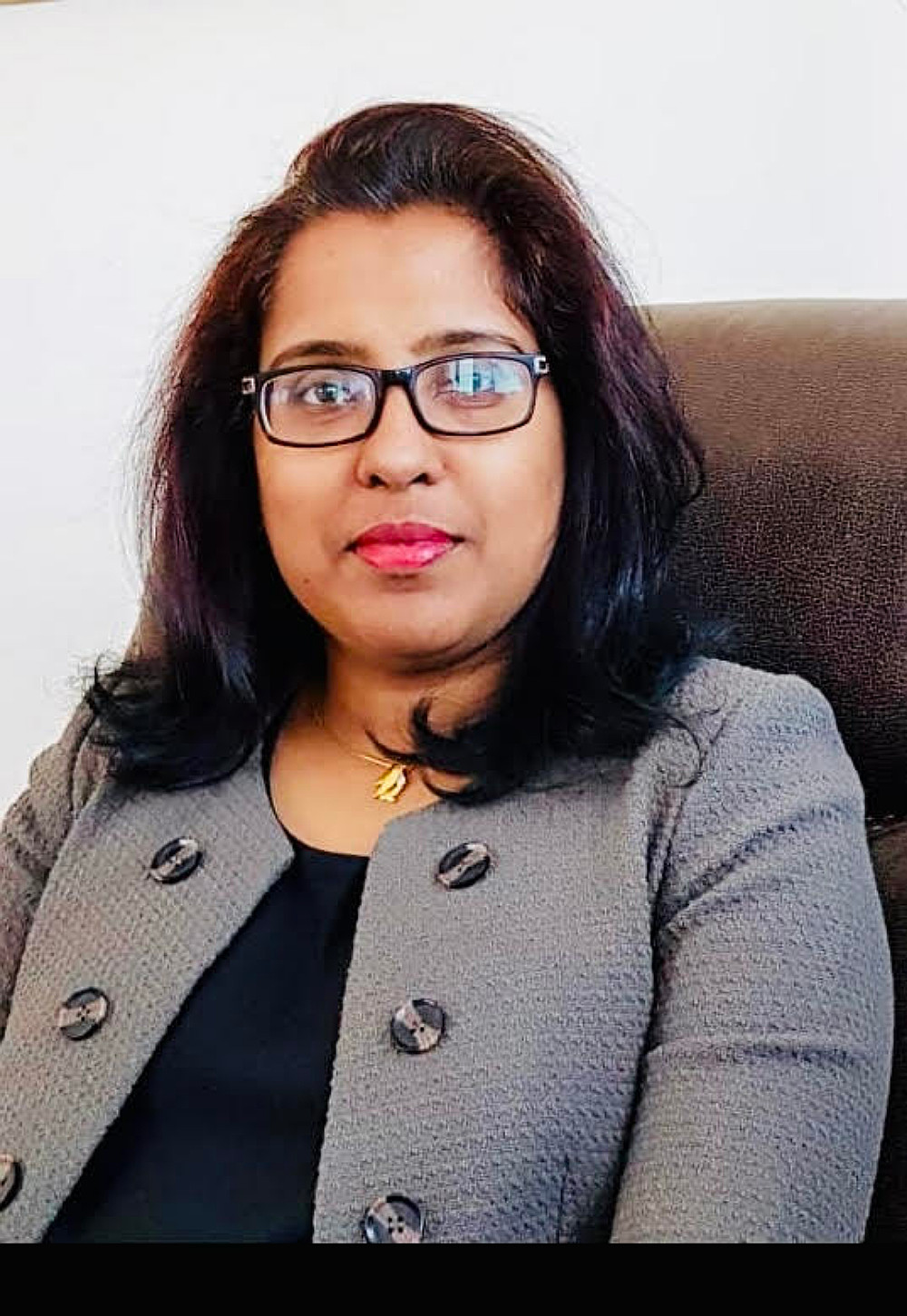
Asha Susan Mani, BCBA (USA), supports children from Sharjah from her practice in Karama, Dubai, a short drive from Al Nahda, Al Qasimia, Al Majaz, and Al Taawun, with online sessions and parent coaching available across the UAE.

Some families arrive with a recent diagnosis and no clear idea of what comes next. Others have been in therapy for a while and feel progress has stalled. Some do not have a diagnosis yet but are seeing patterns they cannot ignore. All of them are looking for the same thing: a plan that genuinely fits their child.
This service is relevant for:
A child who cannot easily express what they want, need, or feel often becomes frustrated, and that frustration can show up as crying, tantrums, or withdrawal. It also limits learning, because so much of early learning depends on communication. Treatment builds functional communication step by step, whether that is first words, signs, pictures, or longer sentences, so the child has a reliable way to be understood.
Difficulty with eye contact, shared attention, play, and turn-taking can leave a child isolated at nursery or school, even when they want to connect. Over time, missed social practice makes the gap wider. Treatment teaches these skills directly and in small steps, then practices them with familiar adults and peers.
Repetitive movements, rigid routines, and intense focus on specific objects can serve a real purpose for a child, often helping them cope. They become a concern when they crowd out learning, play, and family life. Treatment looks at why the behavior happens and builds alternative skills, rather than simply trying to stop it.
Meltdowns, aggression, and self-injury affect the child's safety, the family's daily routine, and often their ability to go out together. ABA-based assessment identifies what each behavior is communicating or achieving for the child. That understanding leads to targeted strategies that reduce the behavior and teach a more effective way to meet the same need. Families can learn more in our guide to ABA therapy for challenging behaviors.
When a child struggles to respond to instructions, every routine becomes harder, from getting dressed to joining circle time at nursery. Treatment builds listening and responding skills gradually, starting with simple, motivating requests and expanding from there.
Toileting, dressing, feeding, sleeping, and waiting are skills that shape a child's independence and the whole family's day. When they lag behind, parents carry a heavy load. Treatment breaks these skills into teachable steps that can be practiced at home.
Sitting in a group, following classroom routines, managing transitions, and coping with noise are all demands of nursery and school life in Sharjah and Dubai. Children who are not yet ready can struggle from day one. Treatment targets the specific readiness skills a child needs, and Asha works with schools to support a smoother transition.
Many parents feel they are guessing, trying one approach after another without knowing what works for their child. That uncertainty is exhausting. Parent training gives families clear, consistent strategies, so progress continues between sessions.
Generic therapy programs can miss what makes a child unique: their strengths, their interests, and their specific challenges. Without an individualized plan, time and effort go into goals that may not matter most. Every treatment plan at Asha Autism is built from the child's own assessment.
Autism treatment at Asha Autism follows a seven-step clinical process. Each step builds on the one before, so the plan is grounded in the child's actual profile and keeps adapting as they progress.
The treatment starts with an in-depth discussion with the parents. Asha talks about the child’s developmental history, current strengths, the concerns of greatest importance to the family, daily routines, and what has been attempted. This is also the time that families share their priorities, whether that be communication, behavior, toileting, or getting ready for school.
Existing documents are checked and direct assessments, including diagnostic reports, speech and occupational therapy reports, pediatric notes and feedback from school or nursery, are taken into consideration. This prevents duplication of effort, joins the dots between different professionals and impacts what the assessment is looking at.
The child is assessed directly using ABA-based behavioral assessment and developmental frameworks. This is consistent with current skills in communication, social interaction, play, learning readiness, self-care, and behavior. Where challenging behaviors are present, Asha looks at what triggers them and what purpose they serve, using a structured behavior assessment approach.
The assessment results are translated into a written treatment plan with specific, measurable goals. Goals are prioritized around what will make the biggest difference to the child’s independence and family life. Goals build on the child’s strengths and interests. Parents review and agree to the plan before intervention begins.
The child gets structured intervention based on Applied Behavior Analysis. Skills are divided into small, manageable steps and taught through play, natural routines, and positive reinforcement. Sessions are designed to be engaging so that learning is rewarding for the child, not demanding.
Parents learn the same strategies used in sessions, so skills carry over to home, family outings and daily routines. The training is practical and hands-on and focuses on real life family situations such as mealtimes, bedtime, transitions and managing behavior in public.
Progress is tracked against each goal and reviewed with parents at regular intervals. Goals that are mastered are replaced with new ones. Strategies that are not working are adjusted. The plan also expands to include nursery or school collaboration as the child prepares for, or settles into, a classroom.
Families in treatment with Asha Autism typically receive:
Progress looks different for every child. The aim is meaningful, measurable improvement in the skills that matter most to the child and family, not a one-size-fits-all outcome.
Early childhood is the time of fastest development of communication, social, and learning skills. Support that starts now can ride that natural momentum rather than trying to close wider gaps later.
The CDC says early intervention services can help children with autism learn important skills. Once a concern is raised or a diagnosis is made, treatment should begin as soon as possible. NHS guidance says that support for autistic children focuses on helping with communication, social interaction and everyday life and is tailored to the needs of each individual child.
According to autism and child development guidance from organizations such as Autism Speaks, behavioral intervention can help children build functional, communication, and social skills, and families who start early often have more options as their child grows.
Acting early does not mean rushing. It means using the time available well. Children who start structured support sooner tend to arrive at nursery and school better prepared, and families spend less time managing difficulties that could have been addressed earlier. For families who are still at the start of this journey, our early autism intervention guide is a useful first read.
Asha Susan Mani is a Board Certified Behavior Analyst (BACB, USA), an IBA-Certified Autism Specialist, and one of the first BCBAs to practice in the UAE. Since 2004, she has supported more than 7,000 children and families across the UAE, including more than 2,000 children who have transitioned into mainstream schools. Families from Sharjah have been part of her practice for many years, and her work with nurseries and schools spans both Sharjah and Dubai.

Families who want an initial expert opinion before committing to treatment can start with an autism consultation.
“Asha is doing wonderful work with children on the autism spectrum. She is highly professional in her approach, very systematic in her treatment design and interventions, and an excellent facilitator between home and school. Parents often report how quickly their children have transitioned into mainstream schooling after working under Asha’s guidance.”
“My appreciation for your outstanding efforts in helping so many children return to mainstream education. As you are aware, parents often face significant emotional challenges while raising such wonderful children, partly due to societal reactions and partly due to rigid systems. I can confidently say that you have done a great deal to ease that burden and support families through their journey.”
“Mrs. Asha has been working with our son, Ahmed Khan, and we have seen clear improvement over the past few months. Initially, Ahmed had frequent emotional outbursts, difficulty following instructions, short attention span, and struggled with transitions between activities. Mrs. Asha developed a structured plan and introduced simple, consistent strategies such as visual schedules, clear first–then instructions, positive reinforcement, and planned transition warnings. She also guided us on how to respond calmly and consistently during challenging behaviours at home. She regularly reviewed his progress, adjusted goals when needed, and ensured we were involved in every step of the process. Ahmed is now more settled, follows instructions better, and has improved in managing daily routines and transitions. We are very grateful for Mrs. Asha’s guidance and support.”
“Mrs. Asha has been supporting our daughter, Lavanya Nair (4 years old), who was diagnosed with ADHD and was facing significant behavioural challenges in nursery. Initially, Lavanya had difficulty sitting in class, frequent impulsive behaviours, emotional outbursts, and struggled with following group instructions. The nursery also reported concerns about her attention and participation in structured activities. Mrs. Asha conducted a detailed assessment and introduced a structured ABA-based plan in coordination with the therapy team. She implemented clear routines, visual supports, reinforcement strategies, and short, achievable task instructions to improve attention and compliance. Over a period of 4 months, we saw noticeable improvements. Lavanya is now more regulated in class, follows simple instructions better, and her tantrums have reduced significantly. We are very grateful to Mrs. Asha and her team for their consistent support and close collaboration.”
“Our son, Philip Cruz (3.5 years old), was referred to Mrs. Asha by his nursery, Chubby Cheeks Nursery, Dubai, due to concerns around limited communication, difficulty following group instructions, and frequent frustration during structured activities. When we started, Philip often struggled with transitions and would become upset during classroom routines. Mrs. Asha conducted a detailed assessment and introduced a structured behaviour plan using visual cues, consistent routines, and positive reinforcement strategies. She also worked closely with his ABA therapist and the nursery team to ensure a consistent approach across all environments. Within a few months, we noticed clear improvements. Philip is now more settled in class, follows instructions more consistently, and is gradually engaging better with peers and teachers. We are very grateful to Mrs. Asha for her guidance and practical strategies.”
“Our son, Arjun Menon (5 years old), was referred to Mrs. Asha by his pediatrician at Aster Clinic, Al Qusais, for ADHD-related concerns, including inattention, hyperactivity, and difficulty following instructions at home and school. Mrs. Asha conducted an assessment and introduced a structured behavior plan using visual schedules, clear routines, reinforcement strategies, and parent guidance. She also coordinated closely with the ABA therapist and school to ensure consistency across all settings. Within a few months, Arjun showed noticeable improvement in attention, behavior regulation, and daily routines. We are very grateful for Mrs. Asha’s support and structured approach.”
| Area | Starting Structured Treatment | Waiting Without a Plan |
|---|---|---|
| Direction | Clear goals and a structured plan | Uncertainty about what to work on |
| Skill development | Targeted teaching of communication, social, and daily living skills | Skills may develop more slowly without support |
| Progress | Measurable goals, tracked and reviewed | Progress hard to judge |
| Challenging behavior | Understood and addressed with specific strategies | Behaviors may become more established |
| Parent confidence | Trained strategies for home | Trial and error |
| School readiness | Planned preparation and school collaboration | Intervention may start later, after difficulties appear |
| Area | Individualized Autism Treatment | Generic Therapy Program |
|---|---|---|
| Goals | Based on the child's assessment, strengths, and developmental profile | Standard goals applied to many children |
| Behavior support | Built on why each behavior happens for this child | May not address the child's specific behavioral needs |
| Functional skills | Prioritized around family routines and independence | May overlook daily living priorities |
| Parent role | Trained partners using the same strategies at home | Often limited involvement |
| Adjustments | Plan updated from progress data | Changes less frequent or less specific |
| Autism Treatment | Autism Diagnosis | |
|---|---|---|
| Purpose | Supports development, communication, behavior, and functional skills | Formal clinical classification of whether a child meets the criteria for autism |
| Who provides it | Qualified intervention professionals, such as a BCBA, working with speech and occupational therapists | An appropriately qualified diagnostic professional, such as a developmental pediatrician, child psychiatrist, or clinical psychologist |
| What it involves | Assessment, goal setting, intervention, parent training, progress reviews | Developmental history, standardized diagnostic assessment, and clinical judgment |
| What it leads to | Skill development and greater independence over time | Eligibility for services and direction for treatment planning |
| Can it start without the other? | Support can often begin while a diagnosis is being pursued | A diagnosis alone does not provide treatment |
For a step-by-step look at the diagnostic process, read autism diagnosis explained.
We provide autism therapy, speech therapy, occupational therapy, ABA therapy, and child development support to families in Al Nahda Sharjah, Al Taawun, Al Khan, Al Qasba, Al Majaz, Al Mamzar, Al Qusais, Muwaileh, Al Yarmook, and Abu Shagara, as well as surrounding areas within approximately 10 km of Al Nahda, Sharjah.
Individualized autism treatment can provide structured support for communication, behavior, social skills, learning, and everyday development. Whether your child has just been diagnosed or you feel their current support is not quite working, a conversation with an experienced specialist is a good place to start.
You do not need to have everything figured out. Most Sharjah families who contact us start with a few questions and a lot of uncertainty and leave with a clear plan.
Call or WhatsApp: +971 54 329 1664 | Karama, Dubai, serving Sharjah | Saturday to Thursday, 9:00 AM to 7:00 PM | Online sessions across the UAE