Autism Consultant in Dubai: Specialist Consultation for Children and Families
Most families do not know exactly what they are looking for when they start searching. They know something feels off. A nursery has flagged a concern. A child is not talking the way other children the same age are talking. Behavior at home is getting harder to manage and nobody can explain why. A pediatrician has mentioned autism and left the family with a list of questions and no real answers.
An autism consultation gives families a place to bring those concerns and come away with actual clarity. Not a generic handout. Not a referral to another referral. A real clinical picture of what is happening with the child and a concrete plan for what to do next.
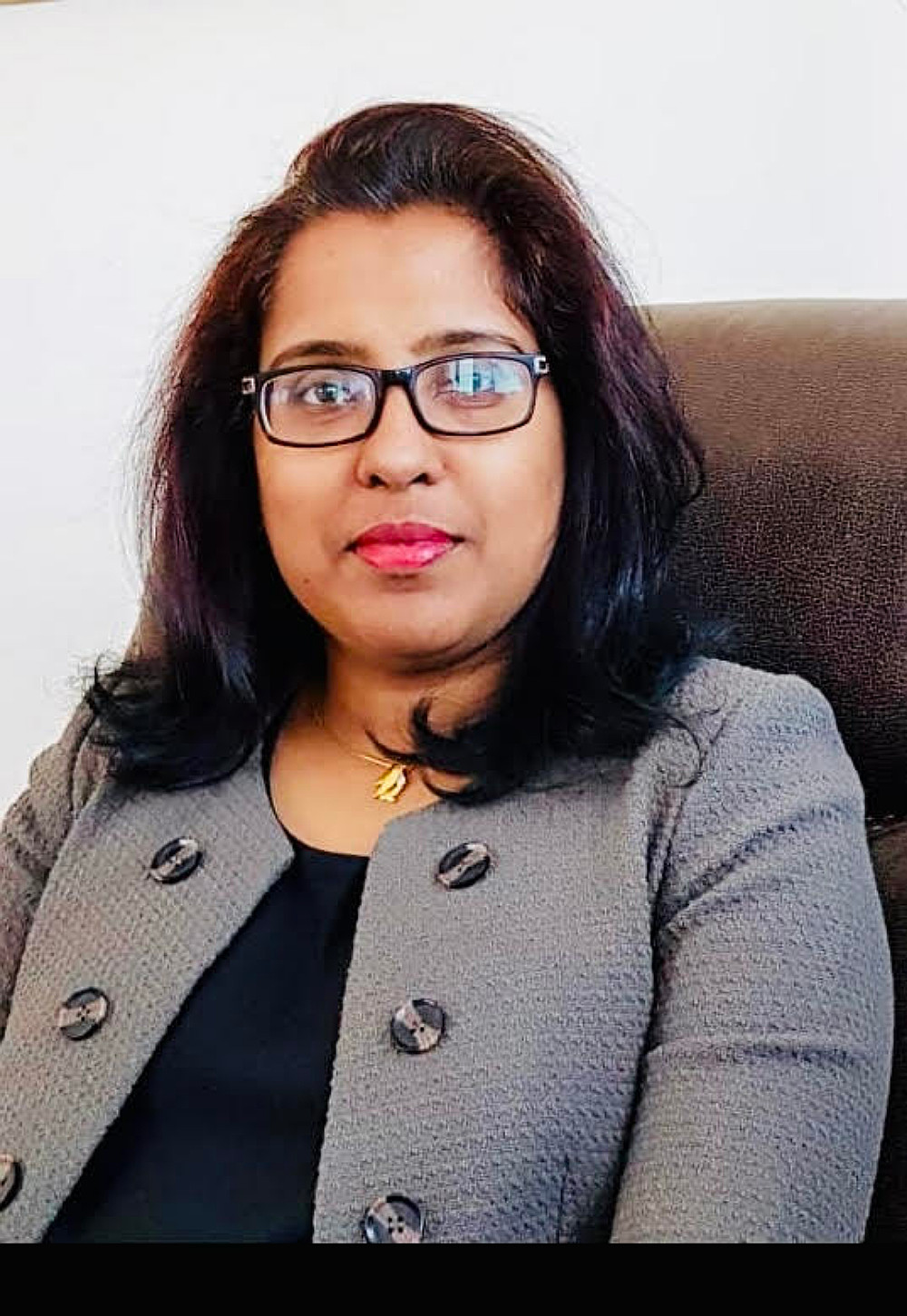
Asha Susan Mani is a Board Certified Behavior Analyst (BCBA, USA) and IBA-Certified Autism Specialist with more than 20 years of experience supporting children, families, and schools across the UAE. She has supported more than 7,000 children and families through autism consultations, behavioral assessment, early identification, parent training, and school mainstreaming.
What it does: Provides specialist clinical consultation to assess developmental and behavioral concerns, identify patterns relevant to autism spectrum disorder, and give families a clear direction for next steps
Who it is for: Parents with developmental concerns, families who have received a possible autism flag from a pediatrician or nursery, and families seeking a second clinical opinion
Key outcome: A clear understanding of the child's developmental profile and a specific, actionable plan
Method: Applied Behavior Analysis (ABA) principles, developmental history review, behavioral observation, and clinical interpretation
Format: In-person consultation in Dubai and online sessions for families across the UAE
Location: Karama, Dubai, accessible for families from Bur Dubai, Deira, Mankhool, and surrounding areas
Who Autism Consultation Is For
Families come to autism consultation from very different starting points. Some have been sitting with a concern for months and do not know what to do with it. Others have just received an unexpected flag from a nursery and are trying to make sense of it quickly. Some have been through assessments elsewhere and want a second clinical opinion from someone who actually knows what autism looks like in a real child, in a real family context, in Dubai.
This consultation is directly relevant for:
Parents who have noticed something in their child's development and cannot get a clear answer from their pediatrician about what it means.
Families whose nursery or school has raised a concern about communication, social behavior, or classroom participation.
Parents of children showing signs that could point to autism, speech delay, ADHD, or a combination of these.
Families who have already received an autism diagnosis and want specialist guidance on what to do with it.
Parents who are not sure whether what they are seeing is a phase or something worth taking seriously.
Families in Dubai who have been waiting for a public sector appointment and cannot afford to keep waiting.
Parents who want a second opinion before committing to a lengthy or expensive diagnostic assessment.
Families managing behavioral challenges at home that are disrupting daily routines and family life.
What Problems Autism Consultation Addresses
You have concerns but no clear picture of what they mean.
A general feeling that something is not right, without clinical context to make sense of it, is one of the most stressful places a parent can be. Consultation gives that clinical context. It looks at what the child is doing, what the child is not doing, and what the pattern of development actually suggests, so families stop guessing and start knowing.
A pediatrician has mentioned autism but has not explained what happens next.
Many families leave a pediatric appointment with the word "autism" in the air and no explanation of what that means for their child specifically, or what the next steps actually look like. Consultation fills that gap.
The nursery or school has flagged a concern, and you do not know how seriously to take it.
Teachers and nursery staff observe children across a full school day and often notice patterns that are harder to see at home. A concern raised in a school setting is worth following up on with a clinical professional rather than leaving it open-ended.
Behavior at home is escalating, and nothing the family tries is working.
Meltdowns, rigid routines, communication breakdowns, and behavioral patterns that keep intensifying are not things families should be managing alone without support. Consultation identifies what is driving the behavior and gives families specific strategies grounded in clinical evidence, not generic parenting advice.
You are not sure whether what you are seeing is autism, a speech delay, ADHD, or something else.
These presentations overlap in ways that are genuinely confusing even for professionals who are not specifically trained in this area. The clinical background here spans autism, ADHD, speech and developmental concerns, and behavioral assessment, which means consultation helps families understand what they are seeing and what the appropriate next step may be.
What Happens During an Autism Consultation
Step 1: Parent Interview and Developmental History
Asha Susan Mani starts the consultation with a detailed conversation with the parents or caregivers. This covers the child's developmental history from early on, including milestones, language development, social behavior, medical background, and the specific concerns the family has been noticing. This is not a quick intake form. It is the foundation of the whole consultation, and the time needed to understand the full picture is taken before moving to any clinical interpretation.
Step 2: Review of Existing Information
She reviews any existing reports, assessments, school feedback, nursery observations, or pediatric notes. Where families arrive without documentation, the developmental history gathered in the parent interview becomes the primary source of information. Having existing paperwork available, even if incomplete, helps the consultation go deeper from the start.
Step 3: Behavioral and Developmental Assessment
Next, the child's communication, social interaction, behavioral patterns, and developmental profile are observed and assessed using ABA principles and developmental psychology frameworks. This is not a checklist exercise. It is a structured developmental and behavioral assessment shaped by Mrs. Asha’s 20+ years of experience working with children across the UAE.
Step 4: Clinical Interpretation
Once the information has been gathered, she works with the parents or guardian to build a clearer developmental and behavioral picture. Patterns relevant to autism, speech delay, ADHD, or other developmental concerns are discussed, and families receive practical guidance on what the next step may be.
Step 5: Action Plan and Recommendations
The consultation closes with a specific, practical plan. This covers recommended next steps, therapy options where relevant, school or nursery guidance, home strategies families can start using immediately, and clarity on whether a formal diagnostic assessment is the appropriate next step and what that would involve.
What Families Receive After Consultation
A clear clinical understanding of the child's developmental and behavioral profile
Specific recommendations for therapy, support, or further assessment where appropriate
Practical strategies for managing behavioral and communication challenges at home
School or nursery guidance that can be shared with teachers and SEND coordinators
Clarity on whether a formal autism diagnosis is the right next step and what that process involves
Honest answers to the questions families have been carrying around without a good place to take them
Why Getting Clarity Early Makes a Real Difference
This is not about creating urgency for the sake of it. The clinical evidence behind early intervention in autism and developmental differences is straightforward and well-established. Children who receive structured support during the early years of development tend to make stronger gains in communication, social skills, and adaptive behavior than those who start support later.
According to the Centers for Disease Control and Prevention, early intervention services can greatly improve a child's development and can help children learn important skills. Earlier identification can also help families access appropriate support sooner.
What this means practically is that a family who gets clarity early can understand their child's needs sooner and consider appropriate support without unnecessary delay. Consultation does not create that urgency artificially. It gives families a clearer picture of what they are seeing and what the next step may be.
Why Families in Dubai Choose Autism Consultation With Mrs. Asha
A clinical background built on 20 years and 7,000 children.
Asha Susan Mani is a Board Certified Behavior Analyst (BCBA, USA) with more than two decades of direct clinical experience in autism, ADHD, speech and developmental delay, and behavioral assessment. The guidance provided is not built on frameworks from a textbook. It is built on what has worked, and what has not, across thousands of real clinical cases in the UAE.
Deep familiarity with the Dubai context.
Working with families in Dubai means understanding the school systems here, the cultural contexts families navigate, and the specific challenges of raising a child with additional needs in an expat city where extended family support is rarely nearby. Her UAE experience shapes the consultation and produces recommendations that are actually usable in Dubai's real environment, not generic advice built for a different country.
Multilingual and multicultural family experience.
Many families in Dubai are managing developmental concerns across more than one language and cultural context. Mrs. Asha has experience supporting bilingual children and families, including English-Arabic development contexts.
Direct, specific, and honest.
Families leave consultation with a clearer understanding of what they are seeing and practical guidance on whether further evaluation or support may be needed.
Author and Clinical Review
Author: Asha Susan Mani, BCBA (USA)
Professional Title: Board Certified Behavior Analyst and Developmental Consultant
Certification: BACB (USA), Cert. No. 0-12-4460
Specialization: Autism, ADHD, speech and developmental delay, behavioral assessment, early intervention, parent coaching
“Asha is doing wonderful work with children on the autism spectrum. She is
highly professional in her approach, very systematic in her treatment design and interventions, and an
excellent facilitator between home and school. Parents often report how quickly their children have
transitioned into mainstream schooling after working under Asha’s guidance.”
★★★★★
ON
Dr. Onita Nakra
Educational Psychologist, Dubai
“My appreciation for your outstanding efforts in helping so many children
return to mainstream education. As you are aware, parents often face significant emotional challenges while
raising such wonderful children, partly due to societal reactions and partly due to rigid systems. I can
confidently say that you have done a great deal to ease that burden and support families through their
journey.”
★★★★★
SR
Dr. Sundar R
Dubai
“Mrs. Asha has been working with our son, Ahmed Khan, and we have seen clear
improvement over the past few months. Initially, Ahmed had frequent emotional outbursts, difficulty
following instructions, short attention span, and struggled with transitions between activities. Mrs. Asha
developed a structured plan and introduced simple, consistent strategies such as visual schedules, clear
first–then instructions, positive reinforcement, and planned transition warnings. She also guided us on how
to respond calmly and consistently during challenging behaviours at home. She regularly reviewed his
progress, adjusted goals when needed, and ensured we were involved in every step of the process. Ahmed is
now more settled, follows instructions better, and has improved in managing daily routines and transitions.
We are very grateful for Mrs. Asha’s guidance and support.”
★★★★★
SK
Mrs. Sara Khan
Parent · Behaviour Support
“Mrs. Asha has been supporting our daughter, Lavanya Nair (4 years old), who
was diagnosed with ADHD and was facing significant behavioural challenges in nursery. Initially, Lavanya had
difficulty sitting in class, frequent impulsive behaviours, emotional outbursts, and struggled with
following group instructions. The nursery also reported concerns about her attention and participation in
structured activities. Mrs. Asha conducted a detailed assessment and introduced a structured ABA-based plan
in coordination with the therapy team. She implemented clear routines, visual supports, reinforcement
strategies, and short, achievable task instructions to improve attention and compliance. Over a period of 4
months, we saw noticeable improvements. Lavanya is now more regulated in class, follows simple instructions
better, and her tantrums have reduced significantly. We are very grateful to Mrs. Asha and her team for
their consistent support and close collaboration.”
★★★★★
PN
Mrs. Priya Nair
Parent · ADHD Support
“Our son, Philip Cruz (3.5 years old), was referred to Mrs. Asha by his
nursery, Chubby Cheeks Nursery, Dubai, due to concerns around limited communication, difficulty following
group instructions, and frequent frustration during structured activities. When we started, Philip often
struggled with transitions and would become upset during classroom routines. Mrs. Asha conducted a detailed
assessment and introduced a structured behaviour plan using visual cues, consistent routines, and positive
reinforcement strategies. She also worked closely with his ABA therapist and the nursery team to ensure a
consistent approach across all environments. Within a few months, we noticed clear improvements. Philip is
now more settled in class, follows instructions more consistently, and is gradually engaging better with
peers and teachers. We are very grateful to Mrs. Asha for her guidance and practical strategies.”
★★★★★
EC
Mrs. Elena Cruz
Parent · Behaviour Support
“Our son, Arjun Menon (5 years old), was referred to Mrs. Asha by his
pediatrician at Aster Clinic, Al Qusais, for ADHD-related concerns, including inattention, hyperactivity,
and difficulty following instructions at home and school. Mrs. Asha conducted an assessment and introduced a
structured behavior plan using visual schedules, clear routines, reinforcement strategies, and parent
guidance. She also coordinated closely with the ABA therapist and school to ensure consistency across all
settings. Within a few months, Arjun showed noticeable improvement in attention, behavior regulation, and
daily routines. We are very grateful for Mrs. Asha’s support and structured approach.”
★★★★★
NM
Mrs. Neha Menon
Parent · ADHD Support
Autism Consultation vs. Waiting and Watching
With Consultation
Without Consultation
Clarity on what is happening
Clear clinical picture of the child's developmental profile
Ongoing uncertainty and guesswork
Behavioral challenges
Specific strategies grounded in clinical evidence
Trial and error at home with no clinical framework
School and nursery concerns
Written guidance families can share with the school
Open-ended concerns with no professional response
Next steps
Concrete, prioritized action plan
No clear direction on what to do or when
Time
Support starts now, during the years when it matters most
Months or years lost while families wait for answers
Family stress
Reduced once there is a clear clinical framework
Accumulates without clarity or a plan
Frequently Asked Questions About Autism Consultation in Dubai
This is something many parents wrestle with, and the honest answer is that a pediatrician and an autism consultant are doing two different things. A pediatrician can flag a concern. A specialist with a clinical background in autism can actually interpret what that concern means, what is driving it, and what needs to happen next. If you have already been to the pediatrician and left with more questions than answers, that is exactly when a consultation makes sense.
Mrs. Asha often sees this in children who come in for consultation. Strong academic skills alongside difficulty with natural conversation is a very specific pattern, and it is one of the things a specialist looks at closely. It does not automatically mean autism, but it is the kind of detail that gets missed in a standard developmental check-up and deserves a proper clinical read.
Mrs. Asha’s clinic is based in Karama, which is easy to get to from Bur Dubai, Deira, Mankhool, and most parts of central Dubai. For working parents in Dubai who cannot always make weekday appointments, online consultation sessions are also available. You can reach out by phone or WhatsApp to check availability and ask any initial questions before booking.
Yes, take that seriously and get it checked promptly. A regression in language, meaning words a child had and then lost, is a developmental concern that warrants further evaluation rather than a wait-and-see approach. If you notice this pattern, talk to your child's doctor or a qualified specialist.
This confuses a lot of families, so it is worth being clear. A consultation looks at a child's developmental and behavioral profile, helps identify patterns, and gives families a clearer understanding of what they are seeing and what to do next. A formal diagnosis is a separate diagnostic process. Many families start with a consultation to understand whether further evaluation or support is the right next step for their child.
This is something we hear often from parents in Dubai, and the picture is more nuanced than it might seem. Eye contact that is selective rather than absent entirely is still clinically relevant. A specialist looks at the full social communication picture, not just one behavior in isolation. If other things alongside this pattern are also catching your attention, a consultation gives you a proper read on what it all adds up to.
Second opinions are completely reasonable and more common than people think. If a previous assessment left you with doubts, unclear results, or recommendations that did not make sense for your child, a consultation with Mrs. Asha Susan in Karama gives you an independent clinical read based on 20 years of direct experience with autism and related developmental concerns in the UAE. Bring whatever documentation you have from the previous assessment.
A school does not provide a clinical autism diagnosis, but teachers in a classroom setting can pick up on patterns that are genuinely worth following up on. If the school raised it at a PTM, they are seeing something consistent enough to mention to parents. A consultation gives you a clinical perspective on what the school is observing and whether it fits a pattern that warrants further assessment or support.
This is one of the hardest things for families to figure out on their own. If the same strategies that work for other children in the family are not working for this child, if meltdowns are intense and hard to predict, or if the behavior looks very different from other children the same age, those are signs worth discussing with someone who specializes in this area. Behavioral patterns connected to autism often look different from typical behavioral challenges, and a specialist can usually tell the difference.
Many parents who reach out are in exactly this situation. Sessions can be scheduled around working hours, and online consultations are available for families who cannot make it to the Karama clinic in person during the week. The first step is just getting in touch and explaining your schedule. Most families find a way to make it work once they take that first step.
Bring whatever you have. Previous developmental assessments, pediatric reports, school reports, nursery feedback, any notes from a PTM, even your own written observations of what you have been noticing at home. None of it is too small or too informal to be useful. If you have nothing documented yet, the consultation starts with a detailed parent interview that covers everything the specialist needs to build a clinical picture.
It is never too late for clinical clarity. Children who receive a first autism consultation at eight, ten, or older can still benefit from appropriate support. School-age children may present differently as they grow, which can sometimes make developmental concerns harder to recognize. An assessment at any age gives the child and family a framework that changes how they understand what has been happening and what to do going forward.
Online information about autism is a reasonable starting point, but it is a very poor replacement for a clinical assessment. Autism presents differently in every child, and matching a checklist to a real child without clinical training leads to both missed presentations and unnecessary worry. A consultation takes what you are reading and puts it against your specific child's actual profile, which is a very different exercise.
Yes, absolutely. This surprises many parents and is one of the reasons autism can go unidentified for years. Some autistic children are social and genuinely want friendships but struggle with the unspoken rules of social interaction, reading social cues, or understanding why friendships feel harder for them than for other children. Autism presents across a very wide range, and social interest is not the deciding factor.
Yes. Consistent isolation in group play, particularly when it is being noticed by the nursery staff across the school day rather than just on one occasion, is the kind of pattern worth getting a clinical opinion on. It does not mean a diagnosis is coming, but it does mean the concern deserves more than a "let us watch him for another few months" response from the nursery.
No. The consultation is not a test and it is not designed to put the child under pressure. The specialist observes the child in a way that is tailored to how the child is engaging on that day. Some children are very cooperative. Others are unsettled or disinterested. How a child responds in an unfamiliar setting is itself useful clinical information, so there is no scenario where the consultation is a failure because the child did not perform a certain way.
Completely normal, and most parents who come in feel exactly that way. Coming to a consultation does not commit you to a diagnosis or a particular path. It gives you clinical information you do not currently have. Many families leave feeling relieved simply because they finally have a clear answer, whether that answer is a concern identified or a concern set aside.
Yes, and this is one of the most common situations families come in with. Receiving a diagnosis is one step. Knowing what to do with it, which therapies are actually appropriate, what to tell the school, how to structure life at home, and what to prioritize first, is a completely different challenge. Consultation after a diagnosis is just as useful as consultation before one.
Many families get what they need from one session. Others come back for a follow-up, particularly when the child's situation is more complex or when the family wants to discuss the action plan in more depth after sitting with the initial findings. You will always be told clearly what can be addressed in one session and what would benefit from more time, so there are no surprises.
Get in touch by phone or WhatsApp. The first contact is usually a brief conversation about what you are seeing with your child so the session can be set up in a way that actually fits your situation. The clinic is in Karama and is accessible for families across Bur Dubai, Deira, Mankhool, and central Dubai. Online sessions are also available. You do not need a referral and you do not need to have everything figured out before you call.
Areas We Serve in Dubai
We provide autism therapy, speech therapy, occupational therapy, ABA therapy, and child development support to families in Karama, Bur Dubai, Mankhool, Oud Metha, Umm Hurair, Al Jafiliya, Al Raffa, Al Fahidi, Al Satwa, Zabeel, and Dubai Healthcare City, as well as surrounding areas within approximately 10 km of Karama.
Still Not Sure Where to Start?
That is the most common place families are in when they first get in touch. They have a concern. They do not know how serious it is. They are not sure if what they are seeing warrants a clinical consultation or whether they are overreacting.
The answer is usually the same: it is worth finding out. A consultation can give families a clearer understanding of what they are seeing and whether further assessment or support is needed.