What Is Early Intervention for Autism?
27/10/2026

An autism assessment is a structured clinical evaluation conducted by a qualified specialist. The clinician gathers information from multiple sources: a conversation with parents, a review of the child’s developmental history, direct observation of the child, and where available, written input from nurseries or schools. After reviewing everything together, the clinician discusses the findings with the family and explains what should happen next.
Parents often arrive at an autism assessment unsure of what is expected from them. The honest answer is that the most useful thing a parent can bring is accurate, real-world observation. Not a polished summary. Not reassurance that the child had a good morning. What actually happens at home, across different days, in different situations.
Before the appointment, parents are typically asked to:
An autism assessment is not a test the child passes or fails. The clinical process depends entirely on the accuracy of the information coming into it.
Before observing the child directly, the clinician needs to understand the child’s background. This conversation happens with parents first, and it goes into more detail than most parents expect.
The clinician asks about pregnancy, birth history, and early neonatal development. Then the conversation moves to milestones: when the child started babbling, when first words appeared, whether the child pointed to share interest with others, how the child responded to familiar adults in the first year. Any regression, meaning skills the child had and then lost, is discussed carefully.
Family history of developmental or learning differences is also relevant here. Parents sometimes feel uncertain about sharing that kind of information, but it contributes meaningfully to the clinical picture.
What parents describe from home, in specific and honest terms, shapes the assessment in ways that no observation session can replace on its own.
Once the developmental background is established, the clinician focuses on how the child currently communicates and behaves, and importantly, whether that presentation is consistent across settings.
The specialist looks at how the child communicates, whether through spoken language, gestures, pictures, or other means, how the child responds to unfamiliar adults and peers, whether repetitive behaviors or rigid routines are present, and how the child manages transitions or unexpected changes to plans.
Teachers in Dubai nurseries and schools spend hours with children in group settings every day. They catch things parents genuinely miss, not because parents are not paying attention, but because a classroom is a completely different environment from home. If a child is struggling socially or behaviorally across both settings, that tells the clinician something a home-only picture cannot.
Direct observation is where the clinician sees the child in real time. The activities used depend on age and developmental level. For younger children, the session looks like guided play. For older children, structured conversation or interactive tasks are more typical.
During observation, the clinician is paying attention to how the child initiates social interaction or responds to it, how verbal and non-verbal communication are used together, whether the child shows flexibility or rigidity during play, and how the child responds to prompts from an unfamiliar adult.
Parents are not just waiting in the room. With younger children particularly, the clinician may ask a parent to play or talk with the child while the specialist watches. A child relaxed with someone familiar communicates very differently than a child navigating an unfamiliar adult, and that difference matters clinically.
After the parent conversation, the school reports, and the direct observation are complete, the clinician reviews all of it as a connected whole.
The DSM-5 requires persistent differences in social communication and interaction alongside restricted, repetitive patterns of behavior, present across multiple settings. This is why a thorough assessment does not rely on any single source. No one questionnaire, no one observation session, and no one conversation determines the outcome. The clinical conclusion comes from the full picture.
After reviewing everything, the clinician meets with parents to go over the findings. The focus is on what the results actually mean for the child, explained in plain language that parents can take something practical from.
The session covers whether the child meets the diagnostic criteria for autism spectrum disorder, what the child’s specific strengths and areas of difficulty look like in concrete terms, and what the recommended next steps are, whether that means therapy, school support, further evaluation, or a combination.
Families receive a written report following the assessment. Schools, nurseries, and therapists across Dubai use this report to arrange appropriate support and accommodations.
Parents sometimes delay requesting an assessment because they worry that asking for one is the same as accepting a particular outcome. It is not. The process begins without an assumption of autism. Some children who go through an assessment receive a diagnosis. Others receive a different clinical explanation for the developmental differences observed, or no diagnosis at all. The assessment produces accurate information either way, and accurate information is what allows families to make good decisions.
No responsible clinician promises a specific future outcome for a child. The purpose of an assessment is clarity about what is happening now, and an honest answer to what should happen next.
Parents seek autism assessments for different reasons. Some notice developmental differences at home well before any professional raises a concern. Others are prompted by feedback from a parent-teacher meeting or a pediatric check-up.
Reasons parents commonly seek an assessment include:
Families in Karama, Bur Dubai, Deira, and Mankhool can access autism assessment services at Asha in Dubai.
Parents should bring any existing pediatric or medical reports, written feedback from nurseries or schools, previous therapy assessments, a written list of specific behavioral concerns with real examples, and basic information about the child’s current routine, sleep, diet, and any medications.
The assessment is one step, not the final one. After the process is complete, families receive a written clinical report and a clear explanation of recommended next steps.
Depending on what the assessment finds, those next steps may involve speech and language therapy, occupational therapy, behavioral support or social communication intervention, parent guidance, or communication with the child’s school or nursery about appropriate accommodations.
The written report also supports families who need clinical documentation for school placement decisions, therapy referrals, or applications to specialist educational programs in Dubai. Families can read more about the broader autism diagnosis process in Dubai to understand the steps that follow.
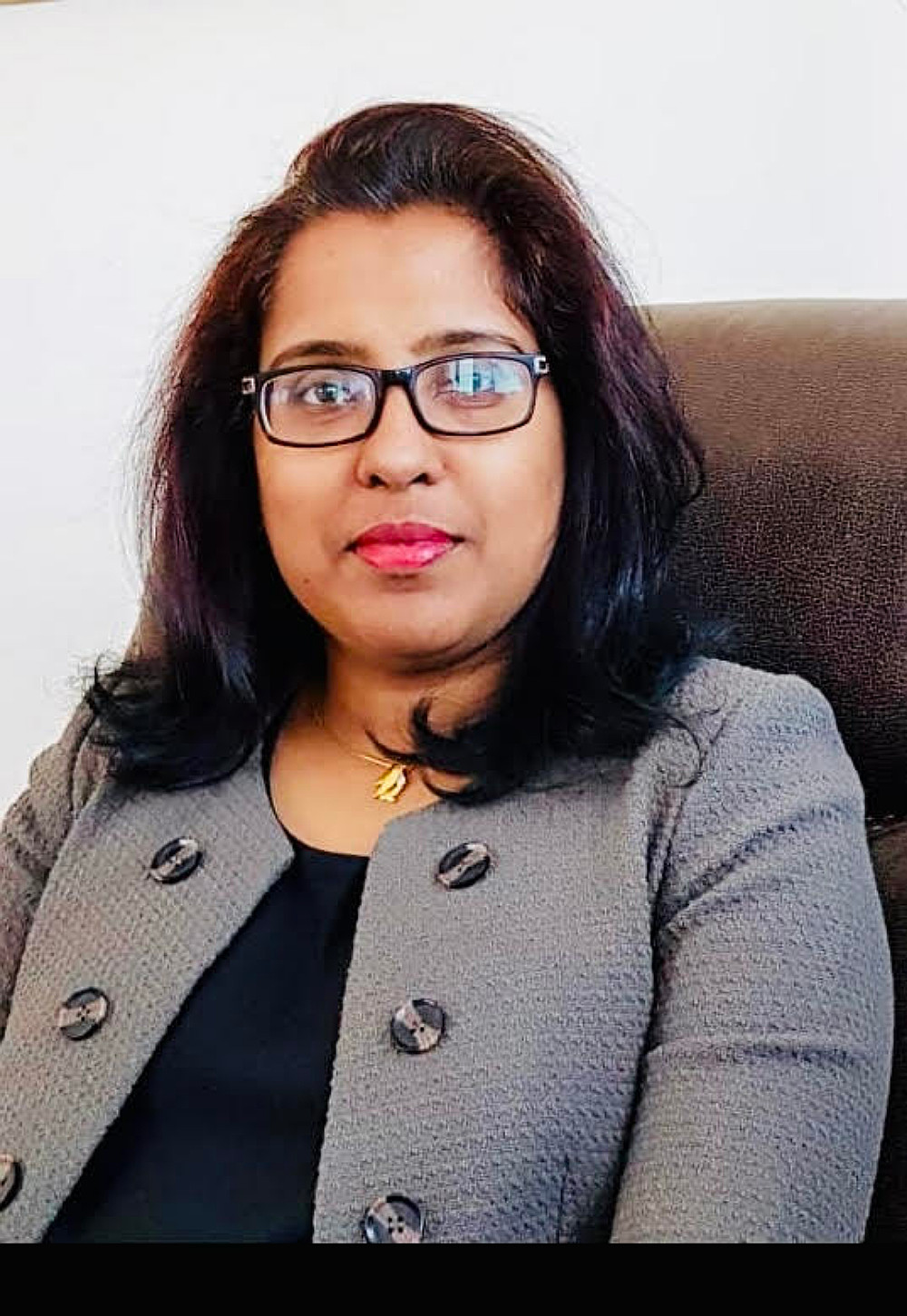
Asha uses a structured, multi-source assessment approach: parent input, developmental history, direct observation, and school or nursery reports where available. Asha Susan Mani is a US BCBA-certified and IBA-certified Behavior Analyst with more than 20 years of clinical experience in autism and child development.
Every assessment at Asha is oriented toward one outcome: a clear, honest, clinically grounded understanding of a child’s developmental profile and a practical answer to what support makes sense for that specific child at that specific point in time.
Many parents sit with this question for months before acting on it. If communication delays, social difficulties, or repetitive behaviors are consistent across different settings and affecting daily life, an assessment is worth doing. It does not commit a family to any particular outcome. It gives families accurate information so the right decisions can be made.
Nursery teachers see children for hours each day in group settings, and they notice patterns that are harder to see at home. If a nursery in Bur Dubai, Mankhool, or anywhere nearby has raised a concern, that feedback is worth acting on. Booking an assessment is a practical response, not an overreaction.
Asha is based in Dubai and works with families coming from Karama, Bur Dubai, Deira, and Mankhool. Getting to the clinic is manageable even for parents juggling a full working week. Reach out directly to check what appointments are open.
Yes, and sooner rather than later. School staff in Indian curriculum schools in Deira observe children in structured, academic, social environments across the school day. That setting reveals behaviors that home environments often do not. Sharing written school observations with Asha’s clinician before the appointment adds clinically useful context.
Every child is different, and so is every assessment. Some children need one extended session. Others need more than one appointment before the clinician has enough to work with. Parents can ask Asha’s team about what to expect before the process starts, which makes planning around school runs and work schedules a lot more manageable.
Not in the way most parents imagine. Younger children go through activities that look like guided play. Older children may do structured tasks or conversation. The format is adapted to the child’s age and developmental level. Nothing about the session is designed to feel like an exam.
Clinicians who specialize in autism assessment work regularly with children who find new environments or unfamiliar adults genuinely difficult. A child’s reaction during the session is itself useful clinical information. Parents do not need to prepare a child to behave in a particular way beforehand.
Families with existing clinical reports from outside the UAE should bring those documents to Asha. The clinical team will review what is available and advise whether further assessment is appropriate based on the child’s current presentation and what Dubai schools and therapists will accept as documentation.
Parents can contact Asha directly without a referral. Existing clinical information from a pediatrician is useful where available, but the absence of a referral does not prevent a family from booking. Families across Karama, Mankhool, and wider Dubai can reach out to discuss next steps.
A completed assessment is not a wasted process regardless of the diagnostic outcome. The clinician produces a clinical profile of the child’s developmental strengths and difficulties either way. In many cases, other contributing factors are identified that explain the concerns raised by parents or teachers, and the resulting recommendations are equally specific and useful.
The written report can provide useful clinical documentation when families discuss school placement, learning support, or referrals to specialist educational programs. Parents should ask Asha’s team about the documentation they may need for a specific school or application.
Asha Susan Mani holds US BCBA certification and IBA certification as a Behavior Analyst, and has spent more than 20 years working directly with children with autism and their families. That kind of experience is not just a credential on paper. It shapes how every assessment at Asha is conducted, what questions get asked, and how findings are explained to parents at the end of the process.
Autism can be identified in some children from around two years of age, though assessment tools differ by age. Age alone is rarely a reason to delay seeking a clinical opinion. Parents should act on what a child is currently showing rather than waiting for a specific milestone.
Families in Sharjah who are considering an autism assessment can contact Asha to ask about available services and options based on their location.
Families can contact Asha by phone or WhatsApp. The team explains the process clearly before the first appointment so parents arrive knowing what to expect. Bringing existing reports, school feedback, or written behavioral observations to that first appointment helps Asha use the available time as effectively as possible.