What Is Early Intervention for Autism?
27/10/2026

Choosing an autism treatment center in Dubai is not a decision most families make quickly. The options look similar on the surface. Websites use the same language. Every center claims to be child-centered and evidence-based. And yet the actual experience of one family can be completely different from another’s, even when both families used a center that appeared identical on paper.
This guide covers what actually separates one autism treatment center from another, what questions families in Dubai should ask before committing, and what a genuinely useful autism support service looks like in practice.
The phrase “autism treatment center” covers a wide range of services. Some centers focus almost entirely on behavioral therapy. Others offer a broad mix of services. Some work primarily with toddlers. Others serve children up to early adolescence.
Understanding what a center actually provides matters more than the label on the website. For families in Dubai looking at autism support for a child between roughly 14 months and 12 years, the services most likely to be clinically relevant are Applied Behavior Analysis (ABA) therapy, early intervention, social skills training, school readiness support, school consultation and mainstreaming support, and parent coaching. These services focus on different areas of a child’s development and support needs, based on the individual child.
Applied Behavior Analysis is the most researched behavioral approach for autism spectrum disorder, and the evidence behind it is not new or contested. The Centers for Disease Control and Prevention notes that behavioral approaches have the strongest evidence base for treating symptoms of autism, with ABA specifically cited as a treatment used to build skills and reduce challenging behaviors.
The way ABA works in practice is more straightforward than the clinical language around it suggests. A behavior analyst identifies what skills the child needs to develop, breaks each skill into steps small enough to teach, and uses structured reinforcement to build those steps into real, functional ability. This applies across communication, daily living skills, social behavior, and independence, not just one area in isolation.
For families in Dubai specifically, here is what is worth looking for before committing to an ABA program:
Without these elements, ABA therapy is difficult to evaluate and even harder to adjust when something is not working. Knowing what to ask for before you start makes a real difference to what you end up with.
Early intervention for autism is one of the areas where clinical evidence is genuinely consistent. The CDC notes that early intervention services can improve development and lead to better long-term outcomes. What that looks like in practice depends entirely on the individual child, but the underlying point is straightforward: earlier tends to be better.
For families in Dubai, this means that waiting for things to get worse before reaching out is not the most useful approach. If something feels off, getting a professional perspective now rather than in six months gives the child more time to benefit from the right support during the years when development is moving fastest.
Early intervention for autism typically covers communication and language building, behavioral support, social skill foundations, and daily living skills. But a generic program applied to every child does not reflect how autism actually presents. What works for one child may not work for another. The starting point should always be a proper understanding of where the individual child currently is, what they are finding difficult, and what they are ready to work on. That assessment comes before any program recommendation, not after.
One of the most underdiscussed components of autism support in Dubai is parent coaching. Clinic sessions with a specialist, whether ABA therapy or behavioral support, represent a small portion of a child’s waking hours. What happens during the rest of the day matters enormously.
Parent coaching gives families the clinical framework to understand why their child behaves the way they do, and specific strategies to apply during daily routines at home. Morning routines, mealtimes, transitions, bedtime, the journey to school: all of these present learning opportunities that a well-coached parent can use to reinforce what therapy is building.
A center that provides parent coaching as an integrated part of the support model is fundamentally different from one that delivers therapy sessions and sends updates home on paper. The difference is seen in how much a child applies skills to other settings, not just demonstrating them in the clinic room.
Two service areas that directly affect a child’s daily experience are social skills training and school readiness support. Both connect clinical work to the real environments a child has to navigate.
Social skills training for children with autism focuses on the specific areas where social interaction breaks down. Reading social cues, initiating and maintaining conversations, understanding turn-taking, managing group situations: these skills do not develop naturally for many children with autism without structured support. A good social skills program is built around how autism actually affects social processing, not a generic social skills curriculum applied uniformly.
School readiness support prepares children for the demands of a mainstream school environment. A child with autism in Dubai who is placed or remains in a mainstream school without adequate preparation may find it more difficult to participate in class, interact with peers and engage with the academic work, depending on the individual needs of the child.
Getting a child with autism into a mainstream school in Dubai is one challenge. Making that placement actually work for the child is a separate and more complex one. Many families discover this gap after enrollment, when the support structure they expected does not materialize.
A useful autism treatment center in Dubai provides school consultation and mainstreaming support that goes beyond placing a child and hoping the school figures it out. Useful school support covers:
A center that connects clinical work to the school environment can provide more coordinated support across settings.
Families comparing autism centers in Dubai benefit from asking specific questions rather than relying on general information presented on websites.
About the clinical team:
What qualifications does the person leading the program hold?
Is a BCBA supervising the ABA therapy directly?
What is the clinician’s specific experience with autism in the UAE context?
About the assessment process:
Does the center conduct a thorough assessment of the child before beginning therapy?
How does the assessment shape the individual program?
How often is the program reviewed and adjusted?
About family involvement:
Is parent coaching included?
How does the center communicate with families about the child’s progress?
What does a parent receive beyond a session summary?
About school support:
Does the center work with schools in Dubai directly?
Can the clinical team provide written school guidance?
Does the center support families through IEP meetings?
About format and access:
Are sessions available in person, online, or both?
For families across the UAE who cannot always travel to Dubai, does the center offer online consultation?
Flexible access to services can be useful for families managing multiple responsibilities alongside their child’s therapy schedule.
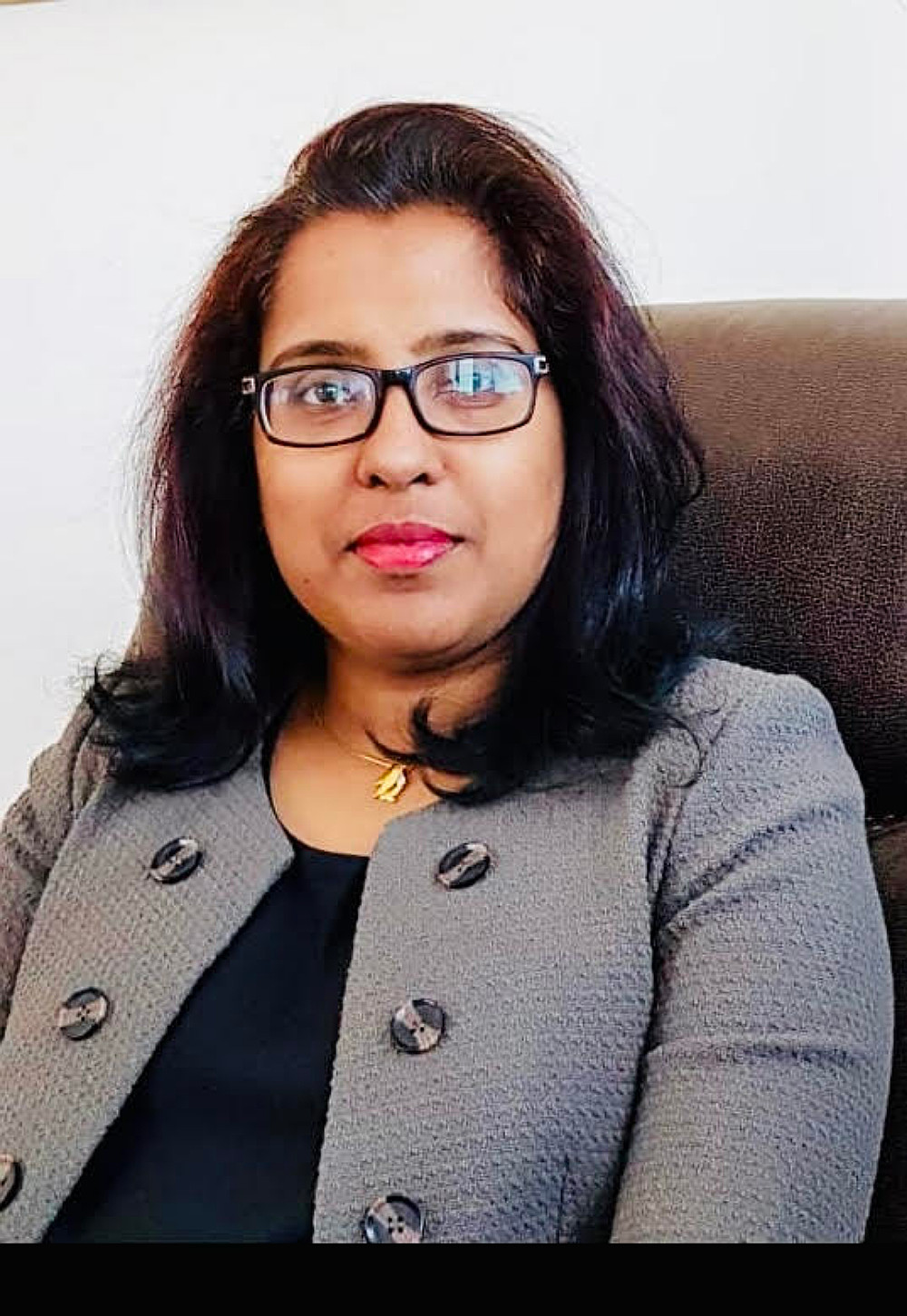
If you are looking at autism centers in Dubai and feeling unsure about where to start, a consultation with Asha Susan Mani can help you. Most parents come in with a list of questions and leave with a much clearer sense of what their child needs and where to go from there.
1. How do I know if the autism center I am looking at in Dubai is actually qualified to help my child?
Check who is leading the clinical work, not just who is listed on the website. A center providing ABA therapy should have qualified clinical supervision, with clear information about the supervisor’s credentials and role. Ask the center specifically who supervises the program and what their experience with autism in the UAE looks like.
2. Is it normal to feel completely overwhelmed when trying to choose an autism therapy center in Dubai?
Completely normal, and most parents feel exactly this way. Every center uses similar language and makes similar claims, which makes comparison genuinely difficult. The most useful thing to do is stop comparing websites and start asking specific questions directly. What does the assessment process look like? Who supervises the therapy? Is parent coaching included? Those answers tell you far more than a homepage does.
3. Where can I find an autism treatment center near me that actually works with schools in Bur Dubai and Deira?
This is worth asking any center directly before you book. A good autism support service does not stop at the clinic door. It provides written guidance for the school, advises on classroom adjustments, and supports families through IEP meetings. If a center near Karama or Bur Dubai cannot tell you specifically how they work with schools, that is a gap worth knowing about before you commit.
4. Do I need to worry if one autism treatment center in Dubai is offering a lot more services than another?
Not necessarily. A longer service list does not mean better outcomes. What matters is whether the services the center offers are genuinely integrated and whether the clinical team running them is qualified. A center that does ABA therapy, parent coaching, social skills training, and school support well is more useful than one offering ten services without a clear clinical framework behind any of them.
5. How do I know if ABA therapy at a Dubai center is actually individualized or just the same program for every child?
Ask the center directly how the program is built. A genuinely individualized ABA program starts with a thorough assessment of the specific child. Its goals are based on the child’s present abilities as well as any gaps in those abilities. It gets reviewed and adjusted regularly based on what the data shows. If a center cannot describe that process clearly, the program is probably more standard than individualized.
6. Is it normal if my child’s nursery in Bur Dubai recommended an autism treatment center but I am not sure how to check if it is the right one?
Nursery recommendations are a reasonable starting point, but they are not a substitute for doing your own check. Ask the recommended center the same clinical questions you would ask anyone: who leads the program, what qualifications they hold, what the assessment process looks like, and how parent involvement is built in. A center worth recommending will pass that conversation easily.
7. Where can I find an autism center in Dubai that also offers online sessions for working parents who cannot always travel?
Mrs. Asha offers online consultation in Dubai for parent coaching, program review, and school guidance. This is particularly useful for working parents in Deira, Mankhool, and Bur Dubai who cannot attend every session in person.
8. What is the difference between an autism treatment center that offers early intervention and one that just offers general therapy?
Early intervention is support given during the years when a child’s brain is developing most rapidly. Depending on the child, that support might focus on communication, social skills, behavior, or daily living skills, and usually a combination of several. Mrs. Asha works with children from 14 months to 12 years, and the support is built around each child’s specific developmental profile rather than a standard program.
9. How do I know if a center’s ABA therapy in Dubai is actually working for my child or if I should look elsewhere?
Progress in ABA therapy should be trackable. The clinical team should be able to show you specific skill targets, how the child is performing against those targets, and what is being adjusted based on that data. If a program has been running for several months and neither the family nor the child can point to specific changes, that conversation needs to happen with the clinical team. A good center welcomes that question.
10. My child goes to a CBSE school in Deira and I want an autism treatment center that understands that school system. Does that matter?
It matters more than most families expect. An autism treatment center that understands how CBSE schools in Dubai operate, what their expectations are for classroom behavior and academic participation, and how to communicate with SEND coordinators in that system will produce more useful school guidance than one giving generic advice. Ask the center whether they have worked with families in CBSE or Indian curriculum schools specifically.
11. Is it too early to contact an autism center in Dubai if my child has not been formally diagnosed yet?
No. Many families contact autism support services before a formal diagnosis is in place, particularly when a pediatrician or nursery has flagged a concern and the family wants to understand what to do next. A good center will assess the child’s current profile and give families a clear picture of what is happening and what the appropriate next steps are, whether a formal diagnosis is in place or not.
12. How do I know if the parent coaching offered by an autism center in Dubai is actually useful or just a token add-on?
Parent coaching that is genuinely useful is built into the therapy program, not offered as an occasional extra. It gives families specific strategies connected to the child’s current therapy targets and applied to real daily routines at home. If a center describes parent coaching as a separate add-on with no connection to what is happening in sessions, that is a sign it is not integrated properly into the overall support model.
13. What should I actually ask when I call an autism center near me in Dubai for the first time?
Ask who leads the clinical program and what qualifications they hold. Ask what the assessment process involves before therapy starts. Ask how often the therapy program gets reviewed and who reviews it. Ask whether parent coaching is included and how school communication works. Those questions will tell you within one phone call whether the center is running a serious clinical program or a general therapy service.
14. Is it normal if two different autism centers in Dubai give me very different opinions about what my child needs?
Yes, and it happens more than families expect. Autism presents differently in every child, and clinical interpretation varies between practitioners. If two centers give you significantly different reads on the same child, a third specialist opinion from someone with a strong ABA and developmental background in the UAE can help clarify which picture is more accurate and what kind of support actually fits the child.
15. Do I need to worry if an autism center in Dubai does not offer a free first consultation?
Not necessarily. Some good centers charge for an initial assessment because a proper clinical intake takes significant time and expertise. What matters more is what that first appointment actually produces. If it results in a clear clinical picture of your child and specific recommendations, you should understand what you are receiving in return for the fee. If it is a short conversation followed by a sales pitch for a program, that is a different matter.
16. How do I know if an autism center’s social skills training in Dubai actually applies to what my child experiences at school every day?
Social skills training that stays in a clinic room does not always transfer to the school playground or the classroom. Ask the center whether their social skills program is built around the real situations the child faces daily, how generalization across settings is built into the targets, and whether school staff receive guidance on reinforcing those skills during the school day. A program that only works in one room is not a complete program.
17. Is it normal if my child with autism resists going to therapy sessions at a new center in Dubai?
Children with autism will often resist new settings and new people, particularly when they are just starting a new program. A center with experienced clinicians will have strategies for building familiarity and trust gradually rather than forcing the child through the early sessions. Ask the center how they handle this specifically before you decide the placement is not working.
18. Where can families from Mankhool and Bur Dubai access autism treatment without having to cross the city for every session?
Families from Mankhool, Bur Dubai, and Deira can access Mrs. Asha’s services in the Karama area, and online consultation is also available for families who cannot always travel in person.
19. How do I know if a Dubai autism center’s school mainstreaming support actually helps or just produces another document nobody uses?
The difference is specificity. A useful school mainstreaming plan is specific enough that the classroom teacher and shadow teacher can read it and know exactly what to do the following Monday. A plan full of general recommendations that require further interpretation before anyone can act on them is not a useful plan. Ask any center you are considering what a school support document from their service actually looks like in practice.
20. How do I book an autism consultation at a center in Dubai and what happens when I reach out for the first time?
Get in touch by phone or WhatsApp with whichever center you are considering. The first conversation should be a clinical one, not a sales one. A good center will ask about your child’s situation, explain what the assessment process involves, and help you understand whether their service is the right fit before you commit to anything. If the first call feels more like a booking process than a clinical conversation, that tells you something useful about how the center operates.